
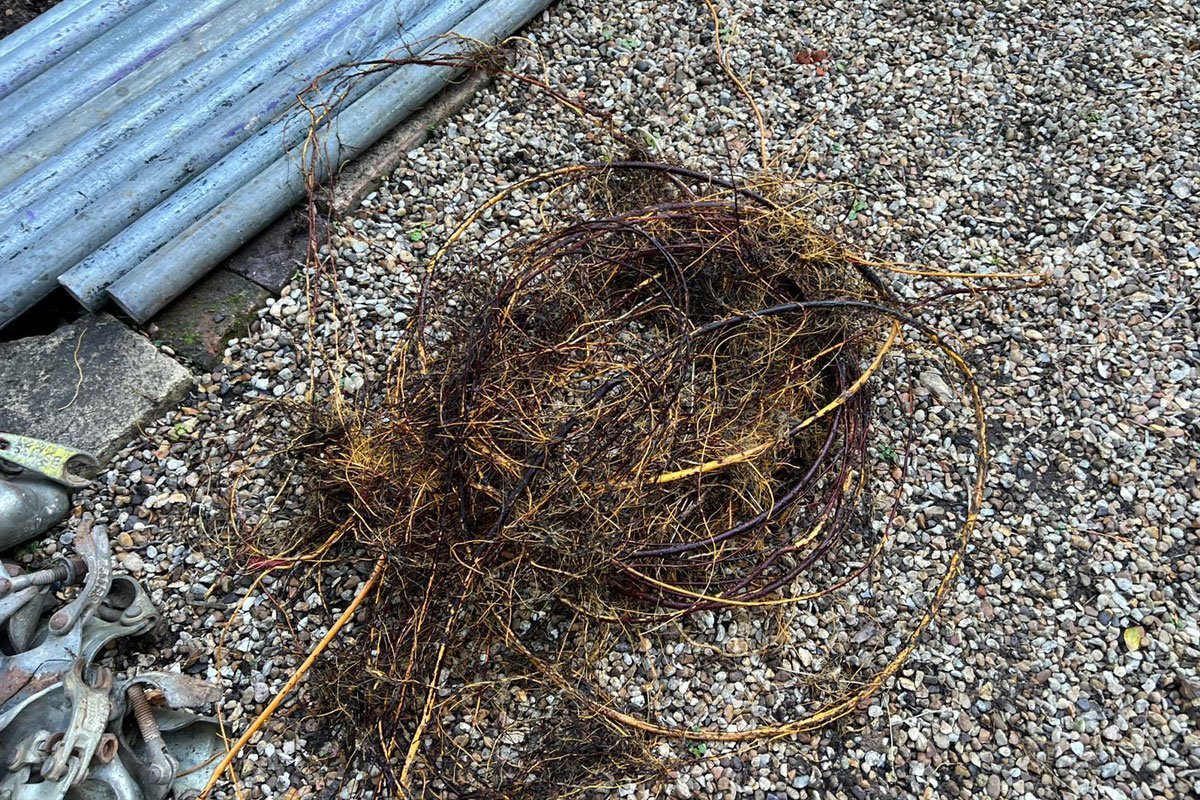
Removing Roots from Home Drainage Systems: What Actually Works
If you’re a residential property owner, dealing with root intrusion is one of the most frustrating drainage issues out there. And what makes things worse is that the online information on this subject can be misleading. When it comes to removing roots from drain pipes, there’s lots of sites telling you how to blast the roots away, but they don’t tell you how to stop them from coming back thicker and stronger.
Tree roots enter through fine fractures in older clay pipes, tracking escaping moisture. To fix your drains permanently, you need to clear the current root mass and seal the pipe walls with a liner or move to a full plastic upgrade.
Drainflow has spent over two decades solving the problem of root ingress for homeowners across Bedfordshire, Buckinghamshire and Hertfordshire. So, read on for a detailed explanation of how to clear your pipes of tree roots for good and all.
Why Tree Roots Keep Coming Back in Your Drains
Clearing a drain doesn’t cure a root problem. Mechanical removal will give you a short-term fix, but it won’t solve the underlying problem.
Slicing through an underground root triggers a survival mechanism in the tree. It’s like pruning a plant above the ground; the process makes it grow back thicker and more aggressive. Within a few months, you’ll find that a web of fine hair-roots will be blocking your pipe again.
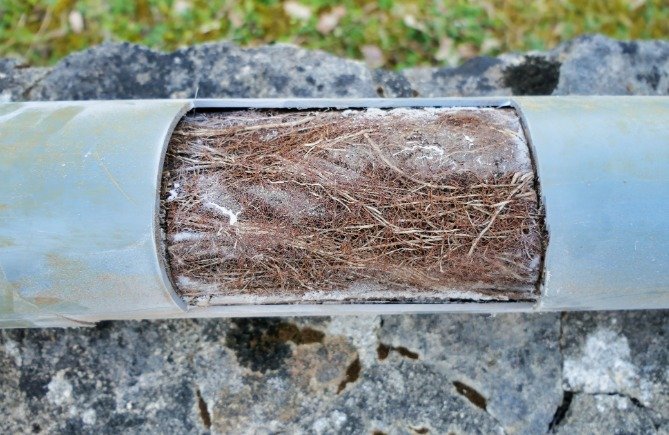
That’s because the tiny fracture which lets the roots in initially remains open. There’s still moisture escaping from your waste water that’s acting like an open invitation. Until your pipeline is permanently sealed and reinforced, the tree will keep returning. Clearance gets the water moving today, but proper structural repair is what stops the root ingress cycle for good.
Fixing Root-Damaged Drains Permanently
Once we’ve cleared the roots out and water is moving freely once more, the Drainflow drain clearance team uses a CCTV camera survey to assess the pipe damage that’s letting roots in. To stop the roots from returning, permanent repairs are needed:
- Internal Structural Sealing (No-Dig) – If the pipe is still structurally round and hasn’t collapsed, it can be repaired entirely from the inside. Trade materials are introduced into the pipe to coat the interior walls, sealing up every crack, fracture, and loose joint. This creates a smooth, continuous barrier that stops the leaks attracting the tree roots in the first place.
- Full Section Replacement (Excavation) – If the roots have completely crushed, warped, or dropped the level of the pipe, internal sealing isn’t an option. The only permanent fix is then to excavate the damaged section. The old, clay pipework is dug out and replaced with plastic pipes that have watertight joints which roots are unable to push through.
The right choice depends on what our CCTV camera reveals. The goal of each method is identical: to create an unbroken, leak-proof run that leaves absolutely no way for roots to get back in.
What to Avoid When Treating Root Ingress
Where tree roots are concerned, always resist the lure of a quick fix. Below are two important factors to keep in mind when embarking on your root intrusion treatment:
1. Check Your Pipe Material
High-pressure water cutting tools are excellent for clay pipes, but they are disastrous to older 1960s pitch fibre pipes. If your home’s drainage system uses pitch fibre, aggressive mechanical root cutters will shred the weakened pipe walls from the inside out, which will turn your blockage into a structural collapse.
2. Chemical Should Not be Used
If you’ve come across tips suggesting you pour copper sulphate or chemical root killers down your toilet, ignore them. In the UK, introducing unapproved herbicides into mains or surface sewers is against Environment Agency regulations. If you have a septic tank, the chemicals will sterilise the system, killing the active bacteria needed to break down waste, causing a foul backup.
If you don’t know what pipe material is used in your drainage system, make sure that your drainage contractor carries out a thorough CCTV camera inspection to identify the material and system setup before any other equipment is sent down. Here’s a quick guide:
- Pre-1950s Properties – Vitrified Clay & Cast Iron
- 1950s to 1970s Properties – Pitch Fibre & Asbestos Cement
- Post-1970s Properties – uPVC / Modern Plastic
FAQs – Clearing Tree Roots from Domestic Plumbing
Clear answers to the practical questions homeowners ask us regularly about dealing with underground root intrusion.
You can’t tell from ground level. Grease or wet wipe blockages usually build up over time; roots though, catch debris and cause sudden repetitive backups. The only definitive way to spot the difference is to drop a diagnostic CCTV camera down the pipe to see exactly what is blocking the flow.
No, it’ll have no impact on deep root systems. Underground roots are drawing water from your wastewater pipe, which acts as a nutrient-rich underground source. The only way to stop them is to physically clear them out and seal up the leak.
No, not usually. Most root clearing and pipe repairs are carried out entirely through external access points, such as inspection chambers or manholes in your garden or driveway.
It should be! A professional drainage specialist will always run a final CCTV survey after the structural repair is complete. This confirms that the internal barrier is perfectly positioned, smooth, and fully sealed against future root entry before we leave.
Drainflow Fixes Root Damage For Good
Tree roots in drains are a common issue across the leafy counties of Bedfordshire, Buckinghamshire, and Hertfordshire – but they’re not a major repair job, if they’re tackled right.
Dealing with the problem early saves you from the cost of emergency call-outs and severe pipe damage down the line. Drainflow gets the job done promptly, cleanly and quietly without tearing up your garden.
Call Drainflow today on 01525 718500 to book a prompt CCTV drainage survey and clear your pipes of tree roots for good.